European used clothing, sorted and graded before it ships
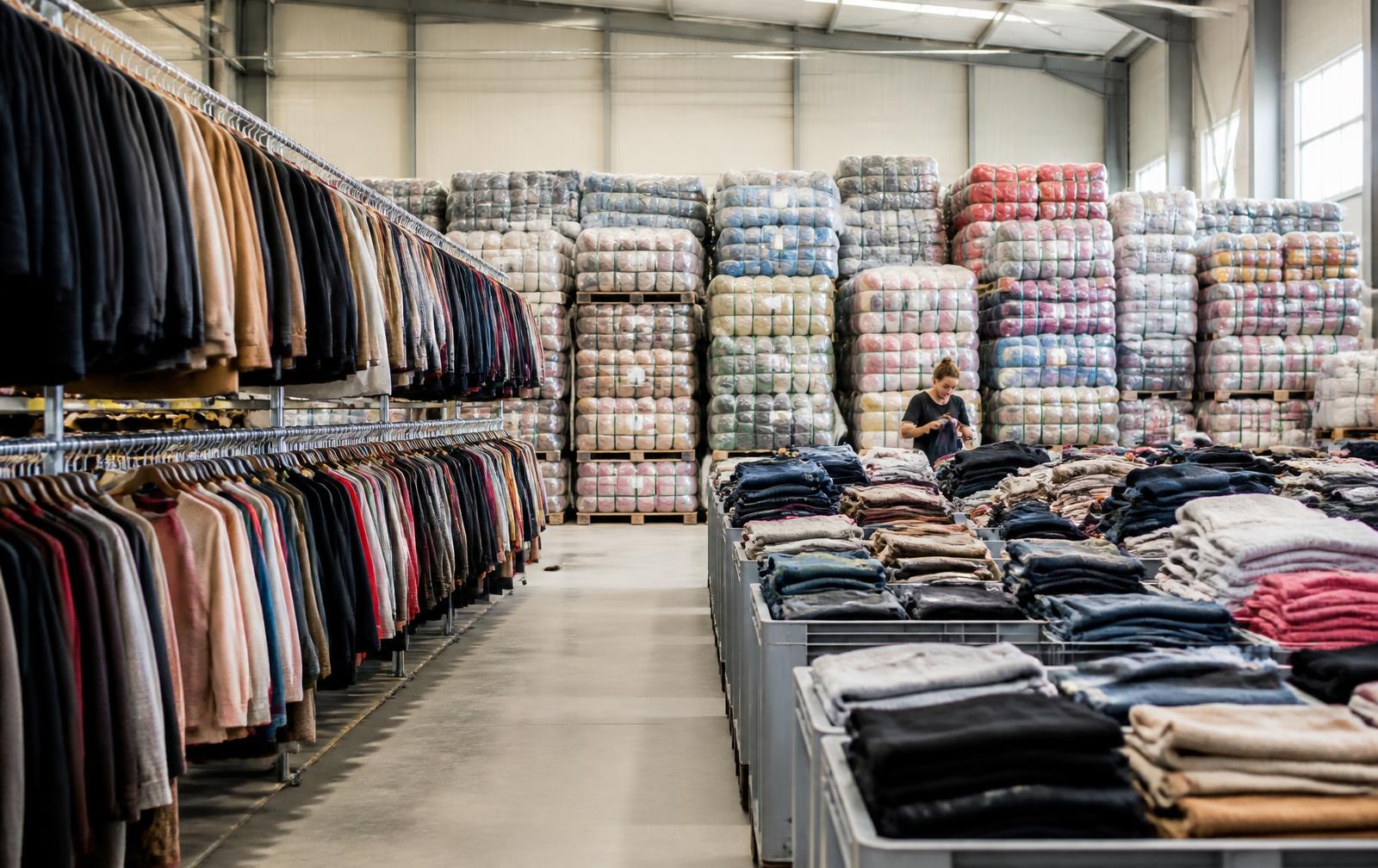
Europe generates a large, steady supply of wearable second-hand clothing through household collections, charity channels and textile collectors. That material is brought to sorting facilities, opened, hand-checked, separated by category and season, graded by condition and finally compressed into bales or built onto pallets for export.
Grading is where most disputes in this trade begin, so we treat it carefully. Cream (A+), Grade A and Grade B are widely used labels, but the exact standard behind them differs between suppliers and countries. We therefore state in every quotation which grade applies, which supplier standard it follows, what the lot contains and how it is packed, rather than relying on a label alone.
Second-hand clothing is natural mixed goods. Colours, sizes, brands and styles cannot be guaranteed piece by piece, and a small proportion of items in any graded lot may not meet your own resale threshold. Honest buyers plan for that; we would rather explain it here than after loading.
Import rules matter just as much as quality. Several countries restrict or prohibit used textile imports, and others require pre-shipment inspection, fumigation or specific certificates. We check eligibility for your destination before any stock is reserved, and the final responsibilities are set out in the quotation and sales agreement.
- Grades
- Cream (A+), Grade A, Grade B and mixed selections
- Sorting
- Hand-sorted by category, season and condition in Europe
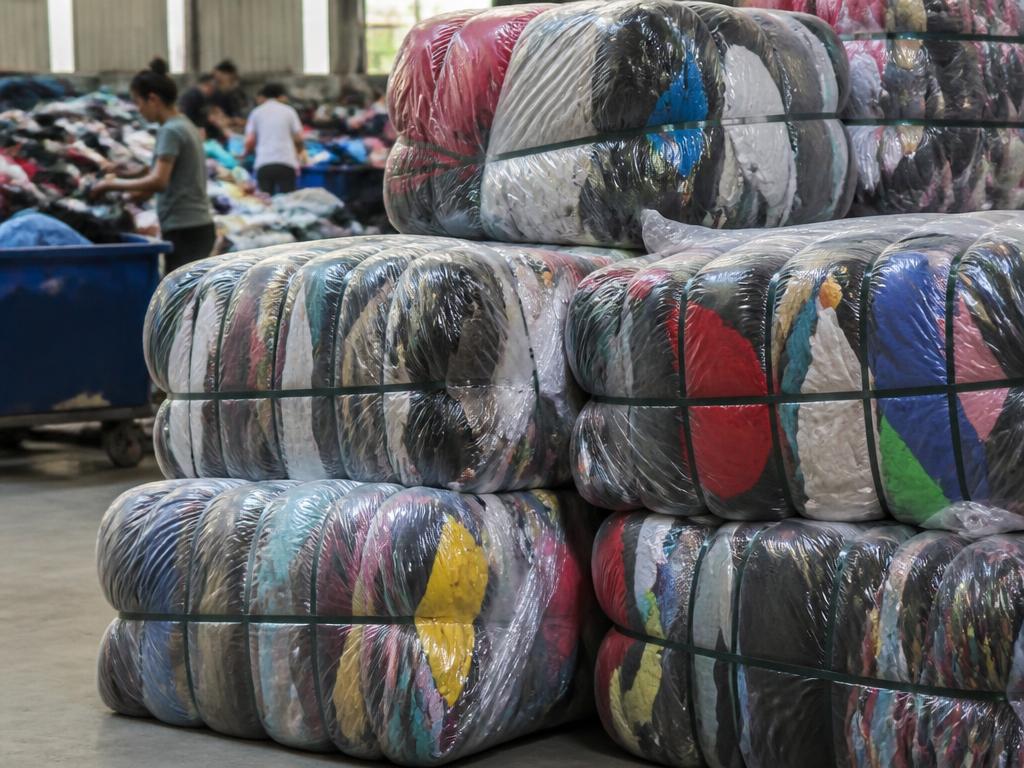
- Bale weight
- Compressed bales of roughly 45 kg
- Order formats
- Bale, pallet, 20ft container, 40ft container
- Inspection
- Photos or video; third-party inspection where allowed
- Compliance
- Destination import eligibility checked before reserving