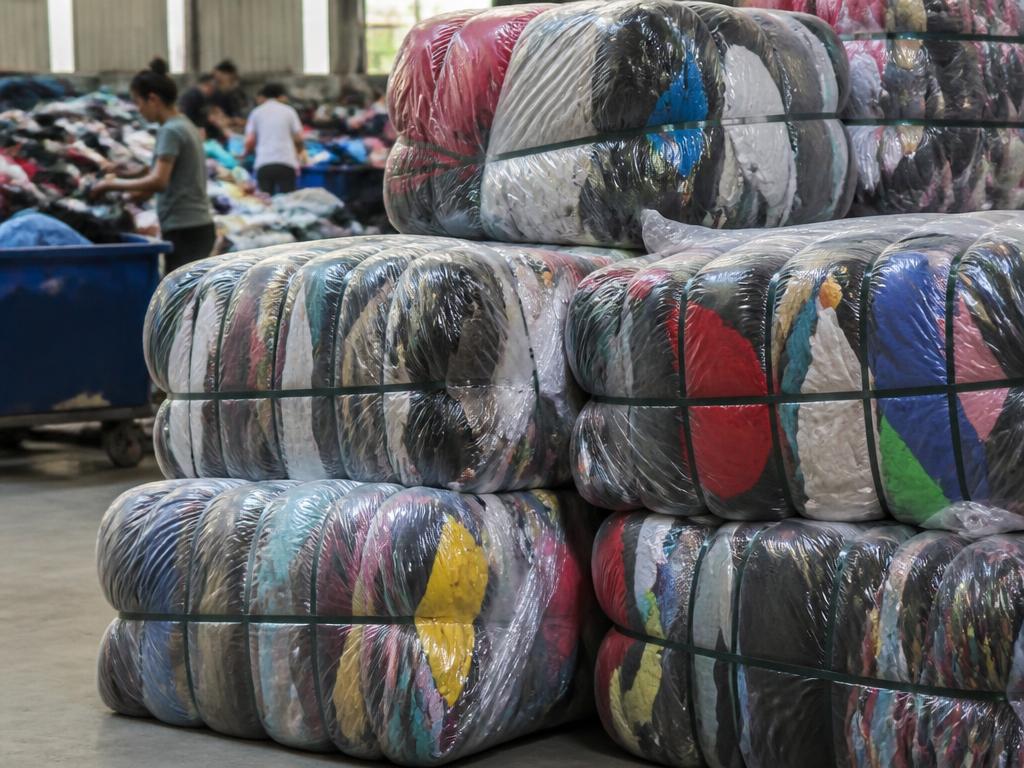
Summer clothing bales
Light dresses, blouses, T-shirts and shorts, the core resale line for most African markets, sorted Cream (A+) or Grade A.

EuroWear Export
Africa
Importers across West, East and Southern Africa buy sorted European clothing, footwear and accessories in bale, pallet and container quantities.
Africa is the largest destination market for sorted second-hand clothing in the world, and demand is concentrated in the categories that resell fastest in open markets and neighbourhood shops: light summer clothing, children's wear, jeans, T-shirts and footwear. We supply importers in West, East and Southern Africa with clothing that is graded and packed in European warehouses before it is loaded, so what leaves the warehouse matches the manifest you approved.
Buyers in this region typically start with a small trial, one or two pallets, or a part-load of bales, before moving to a 20ft or 40ft container programme. That progression matters, because sorting standards differ between suppliers and the only reliable way to judge a supplier is to see how a small order performs in your own market.
Tariffs and levies on used clothing now vary sharply between African countries, and the destination you choose has a direct effect on your landed cost. Several East African states apply ad valorem duties with additional levies, while at least one has moved to per-kilogram tariffs and a full ban on second-hand clothing and footwear imports. We check the destination before any stock is reserved, and we will tell you plainly when a route is not viable.
Cream (A+) and Grade A summer clothing, mixed adult clothing, children's clothing, jeans, footwear bales and household textiles are the most requested categories for African markets.
Loading takes place from Western European warehouses to ports such as Tema, Lomé, Apapa, Douala, Mombasa and Durban, typically by 40ft container.
Market traders, container importers, regional distributors and retail chains.
English, French and Arabic support is available for buyers in this region.
Categories in demand
Selections are built around what actually resells in this market. Open a category to see how it is prepared, then add your requirements to a quote request.
Light dresses, blouses, T-shirts and shorts, the core resale line for most African markets, sorted Cream (A+) or Grade A.
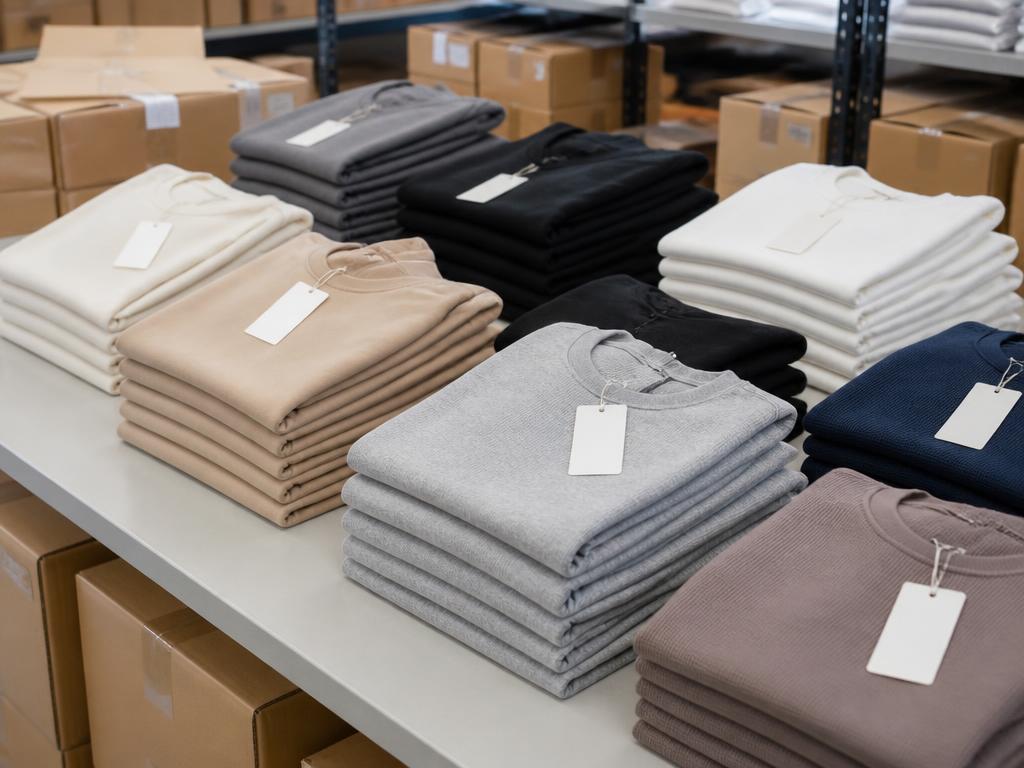
Mixed children's lots by age band, consistently one of the fastest-selling categories in open markets.
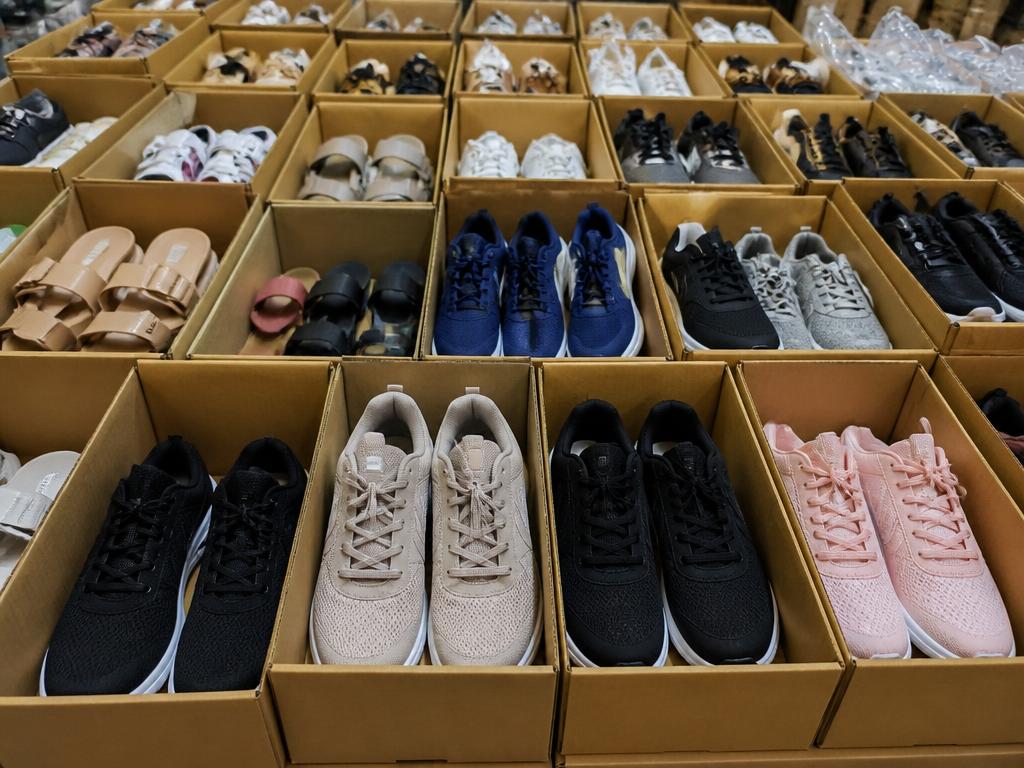
Trainers, sandals, casual and work shoes, paired or bundled depending on the grade.
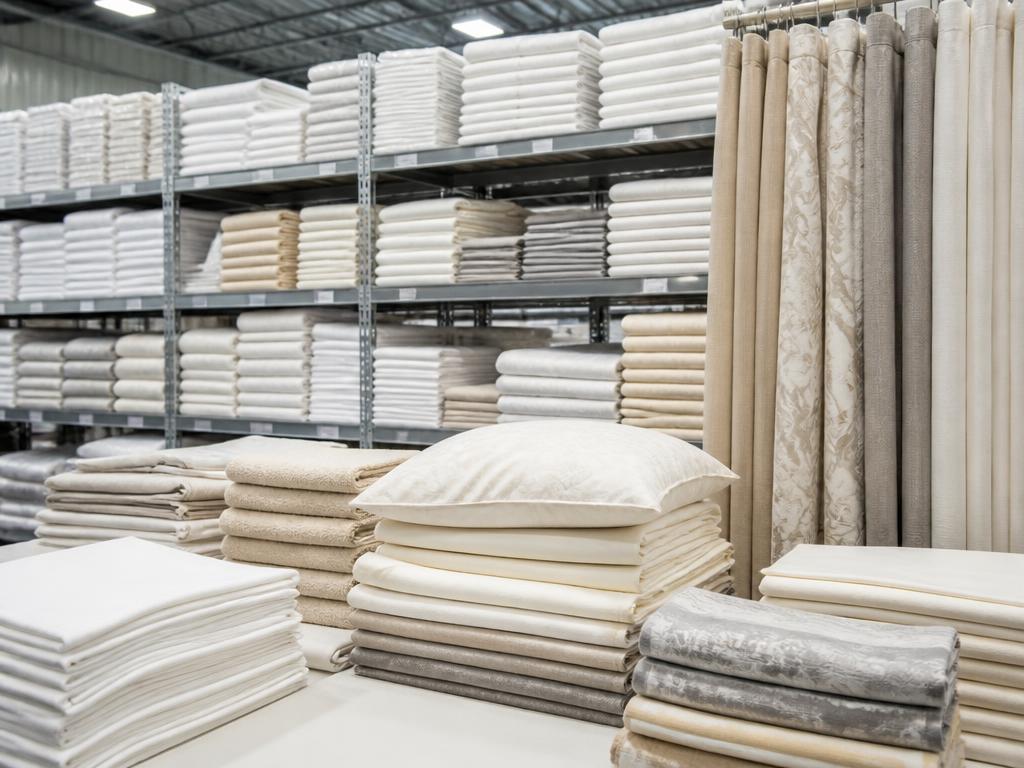
Sheets, towels, curtains and blankets, added to mixed containers where import rules allow.
Transit times are indicative only and depend on the carrier, sailing schedule, transhipment and clearance at destination.
| Port or route | Country | Indicative transit | Notes |
|---|---|---|---|
| Tema | Ghana | Approx. 3-4 weeks | Well-established second-hand clothing trade and clearing network. |
| Lomé | Togo | Approx. 3-4 weeks | Regional transhipment hub for landlocked West African markets. |
| Apapa / Lagos | Nigeria | Approx. 3-4 weeks | Import eligibility for used textiles must be confirmed case by case. |
| Douala | Cameroon | Approx. 4 weeks | Serves Central African inland destinations. |
| Mombasa | Kenya | Approx. 4-5 weeks | Main East African gateway; duties and levies change with each finance act. |
| Durban | South Africa | Approx. 4-5 weeks | Used-clothing imports are tightly controlled; new stock is more commonly shipped. |
Need to work out how much stock fits your budget and space? Use the container calculator or read the shipping and Incoterms guide.
Choose the volume that matches your market and cash flow. Capacity is confirmed with each quotation.
Single-category bales for buyers testing a new line or topping up an existing order. Weight per bale is stated in the quotation.
Palletised and stretch-wrapped lots sorted by style, season or segment. Suits smaller importers and online resellers.
A first full container for regional wholesalers. Capacity depends on packing density, stacking and payload limits, and is confirmed with each quotation.
The standard format for established importers moving repeat volume. Loading plan and manifest are agreed before dispatch.
Inspection video
Before a Africa order is loaded, the prepared lot is checked, documented and photographed. Watch a representative view of selection, palletising and export handling.
This video is representative of our process. Current-lot photos and video for your own order are shared with the offer where available.
See the full photo and video galleryProduct categories, quality, quantity, packing and destination port.
Grades, quantities, packing, Incoterm and validity are stated in writing, nothing is implied.
Stock is reserved against the pro forma invoice and agreed payment terms.
Photos or video of the prepared lot, or a third-party or in-person inspection where arranged.
Palletising or baling, container stuffing, packing list, invoice and transport documents.
Full detail is on the how it works page.
Representative photos of products, preparation and loading. Click any image for a larger view.
Several African countries restrict or prohibit used textile imports, apply pre-shipment inspection or require specific certificates. Import eligibility must be confirmed before loading.
We do not promise delivery to any destination before checking eligibility. Final responsibilities are stated in the quotation and sales agreement.
Brand names and trademarks belong to their respective owners. EuroWear Export is an independent wholesaler and is not affiliated with or endorsed by the brands displayed. Branded stock is subject to availability and authenticity verification.
Straight answers to the questions importers in this market ask most.
More answers are on the FAQ page, or contact us with a specific question.
Tell us your products, quality, quantity and destination port. Our team replies with current pricing and availability.